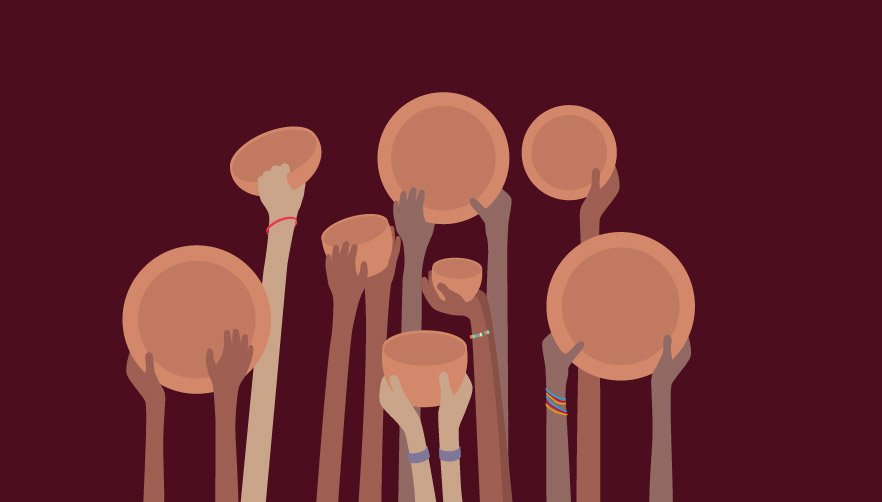
Unraveling the Mystery: Key Triggers of Sudden Hunger Pangs in Women
Our bodies often communicate with us in subtle ways, signaling needs and desires that we sometimes overlook. If you’ve suddenly found yourself feeling constantly hungry, you might be wondering what’s behind this shift. Whether it’s a demanding lifestyle or potential underlying issues, it’s essential to tune in and understand what your body is trying to convey. Let’s dive into the fascinating world of hunger and its many influences on our well-being.
When Diet and Lifestyle Impact Your Appetite
While our bodies strive to send clear messages, they can’t provide a detailed roadmap. If you haven’t identified any medical concerns, your heightened appetite might stem from your diet or lifestyle choices. Here’s a closer look at possible culprits.
Nutritional Deficits (Even When Not in a Caloric Deficit)
It’s crucial to incorporate adequate protein, fiber, and healthy fats into your meals. These nutrients play a vital role in promoting a sense of fullness. For instance, if you’re consuming sufficient calories but lacking in these essential components, you might still feel unsatisfied.
Aim for about 0.8 grams of protein per kilogram of body weight. So, if you weigh around 125 pounds, you’re looking at around 100 grams of protein daily. If you’re vegetarian or have dietary limitations, explore creative ways to boost your protein intake. Balancing your meals ensures you meet your nutritional needs and feel satiated.
Insufficient Sleep
Did you know that sleep deprivation can dramatically increase hunger? When you skimp on sleep, your body produces more ghrelin, the hormone that tells you to eat. Strive to get between 7 to 9 hours of quality sleep each night to keep those cravings in check.
Thirst May Be Misinterpreted as Hunger
If drinking water isn’t your favorite activity, it’s time to rethink that. Sometimes, we confuse our bodies’ thirst signals for hunger. If you’re feeling fatigued or dizzy, it could be your body pleading for hydration rather than sustenance.
Stress and Emotional Eating
We all respond to stress differently. While some people lose their appetite, others may reach for comforting treats like ice cream. The consumption of high-fat or sugary foods releases "happy chemicals" in our brain, making them enticing coping mechanisms for feelings of anxiety or sadness.
Impact of Processed Foods and Refined Carbs
Consuming too many processed foods can lead to increased hunger. Foods high in sugar and salt may fill up your calorie allowance quickly but tend to leave you wanting more. These refined carbs can disrupt your nutritional intake, causing your body to issue more hunger signals as it craves what it lacks.
Increased Activity Levels or Restrictive Eating
If you’ve recently changed your diet or ramped up your exercise routine, it’s natural to feel hungrier. When you cut calories for weight loss, ensure you’re still getting essential nutrients. A consultation with a nutritionist can help you meet your goals while keeping your body well-nourished.
Medical Conditions Linked to Increased Appetite
If you’ve maintained consistent dietary and lifestyle patterns yet experience a sudden spike in your appetite, it could be indicative of an underlying health issue. Seeking the advice of your healthcare provider is essential for identifying potential causes.
Medications
Certain medications are known to increase appetite. These may include:
- Atypical antipsychotics such as risperidone or olanzapine
- Steroid medications like prednisone
- Gabapentin and similar seizure medications
Hyperthyroidism
An overactive thyroid can also cause increased cravings. Conditions like Graves’ disease lead to an accelerated metabolism, which can result in symptoms like persistent hunger, anxiety, or even excessive sweating.
Pregnancy
For some, pregnancy might come with enhanced appetite rather than nausea. If you’re experiencing increased hunger without any morning sickness, it could be one of the early signs of expecting.
Listening to your body is crucial. If you find yourself grappling with sudden hunger pangs, consider evaluating your dietary habits, sleep patterns, and emotional state. Should concerns persist, don’t hesitate; reach out to a healthcare professional for guidance. This journey is not just about hunger—it’s about nurturing your overall well-being.
Are you ready to explore your relationship with food and hunger? Let’s take these insights and embrace a healthier approach together. Your body deserves it!