Unlocking Youthful Skin: The Essential Role of Elastin in Skin Health
If you’ve ever gazed in admiration at someone whose skin radiates an ageless glow, you might be curious about their secret. The answer often stems from one vital component: elastin. This remarkable protein plays a pivotal role in keeping our skin youthful and resilient. Join us as we dive into the fascinating world of elastin, uncovering its significance and exploring how to enhance and protect it for timeless beauty.
What is Elastin?
Elastin is a highly flexible protein found in the connective tissues of our skin. It allows the skin to stretch and return to its original shape, much like the coiling of a spring. While collagen takes the spotlight as the more abundant protein—comprising about 70% of our skin—elastin’s 2% is crucial for maintaining our skin’s firmness and elasticity.
These elastin fibers intertwine with collagen to form a supportive matrix that gives our skin its unique properties of resilience and youthful vibrancy.
Why is Elastin Important?
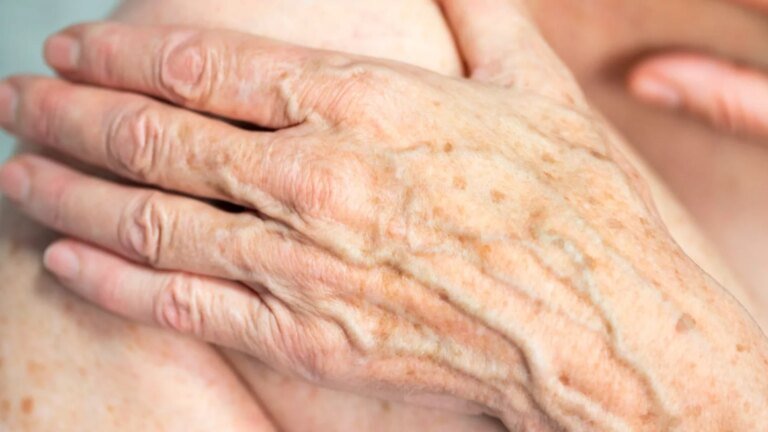
As we gracefully age, our bodies naturally produce less elastin, which can lead to notable skin changes. Reduced elasticity often results in sagging skin, fine lines, and wrinkles. Recent studies indicate we lose approximately 1% of elastin each year after we reach adulthood.
Understanding elastin’s role is vital, as its absence would prevent the skin from bouncing back to its natural shape, leading to permanent deformities. By taking care of elastin, we can maintain a healthier and more youthful appearance.
Causes of Elastin Loss
Several factors contribute to elastin depletion in the skin. Although aging is the primary culprit, other environmental and lifestyle choices can accelerate this process.
Sun Exposure
The sun’s ultraviolet (UV) rays can ravage elastin fibers, resulting in premature aging. This phenomenon, known as photoaging, is responsible for wrinkles, age spots, and loose skin. Intense sun exposure can also cause a condition called actinic elastosis, where abnormal bands of elastin develop, further aging the skin.
Lifestyle Choices
Unhealthy habits, such as smoking and poor nutrition, can also impede elastin production. Smoking introduces oxidative stress that breaks down vital proteins, while a lack of nutritious foods deprives the skin of essential elements needed for healthy elastin synthesis.
Environmental Stressors
Pollution and toxins in the environment also take a toll on elastin fibers. Additionally, certain medications and medical treatments can impact elastin production adversely.
Stress
Emotional stress plays a significant role in skin health as well. Elevated stress hormones like cortisol can lead to collagen and elastin breakdown, resulting in visible signs of aging.
How to Protect Elastin in Your Skin
Fortunately, there are several effective strategies to safeguard your elastin and keep your skin rejuvenated. Here’s how:
-
Wear Sunscreen: Make it a daily habit to apply sunscreen every 2 hours. This protects your skin from harmful UV rays and environmental damage.
-
Eat a Nutrient-Dense Diet: Nourish your skin by consuming a balanced diet rich in vitamins, minerals, and antioxidants to support healthy elastin production.
-
Avoid Smoking: Steer clear of tobacco products to slow down the aging process and boost elastin levels.
-
Manage Stress Levels: Incorporate relaxation techniques like meditation or yoga into your routine to help mitigate stress.
-
Exercise Regularly: Physical activity enhances blood circulation, delivering essential nutrients to the skin and promoting cell renewal.
- Establish a Skincare Routine: A personalized skincare regimen helps maintain hydration, nourishment, and protection against environmental damage.
[Shop Now] for an effective Resurfacing Night Cream that stimulates new collagen and elastin production.
How to Boost Elastin Production
Beyond protection, there are ways to enhance your skin’s elastin production naturally.
Retinol
This derivative of vitamin A is renowned for boosting collagen and elastin synthesis. Retinol accelerates cell turnover, allowing the skin to shed dead cells while promoting the growth of fresh, youthful skin.
Peptides
These short chains of amino acids are remarkable for skin renewal. By signaling the body to produce new proteins, peptides support elastin production, leading to healthier skin.
Antioxidants
Vitamins C and E are stellar allies in combating oxidative stress, which can damage collagen and elastin. While vitamin C promotes collagen synthesis, vitamin E ensures hydration and skin protection.

Massage
Incorporating regular facial massages can increase blood flow, rejuvenating the skin and stimulating elastin production for a younger-looking complexion.
Professional Treatments
For those seeking more intensive rejuvenation, consider professional treatments such as microneedling, microcurrent facials, or LED light therapy. These options can significantly enhance collagen and elastin levels in your skin. Feel free to reach out for personalized treatment recommendations!
Conclusion
In summary, elastin is an essential component of our skin’s vitality and resilience. By understanding its significance and taking proactive steps to protect and boost its production, we can achieve a radiant and youthful complexion.
It’s never too early or late to prioritize your skin’s health. For personalized advice tailored to your unique needs, don’t hesitate to reach out.
Here’s to your beautiful journey to glowing skin!