Ultimate Guide to Hyperpigmentation: Causes, Effective Treatments, and Prevention Strategies for Flawless Skin
I’ve been in the beauty industry for over two decades, guiding clients toward that coveted glow and even skin tone. If you’re navigating the challenges of hyperpigmentation, you’re not alone, and understanding its nuances is fundamental to effective treatment. In this guide, we’ll delve into everything from the causes and types of hyperpigmentation to the most effective professional and at-home treatments tailored just for you.
What is Hyperpigmentation?
Hyperpigmentation manifests as patches of skin that are darker than your natural skin tone, thanks to an increase in melanin production. These dark areas can range from light brown to gray, varying in size from small spots to larger patches. It’s a common yet often frustrating condition that impacts individuals across all skin types.
Who is More Prone to Hyperpigmentation?
While hyperpigmentation can affect anyone, certain groups may be more susceptible.
- Darker skin tones naturally produce more melanin, making some individuals more prone to pigmentation concerns.
- Those frequently exposed to sunlight or undergoing hormonal changes—like during pregnancy or while on birth control—are also at heightened risk.
What Causes Hyperpigmentation?
At its core, hyperpigmentation is driven by an overproduction of melanin, the pigment that gives your skin its color. This boost in melanin can be triggered by several factors:
- Sun Exposure: Harmful UV rays can accelerate melanin production as your skin attempts to protect itself.
- Hormonal Fluctuations: Conditions like melasma, often linked to hormonal changes, can lead to uneven skin tone.
- Skin Trauma: Even minor injuries or acne can result in post-inflammatory hyperpigmentation (PIH) during skin healing.
Common Triggers
- UV Exposure: The sun is the main culprit behind many hyperpigmentation cases. Without proper sun protection, your skin’s melanin production increases.
- Hormonal Changes: Particularly relevant for women, hormonal shifts due to pregnancy or birth control can result in pronounced melasma.
- Skin Trauma: Injuries, acne breakouts, or even rashes can lead to dark spots as the skin recovers.
The Role of Genetics
Never underestimate genetics! If hyperpigmentation runs in your family, you might find yourself facing similar challenges. Your skin’s predisposition plays a noteworthy role in how prone you are to pigmentation issues.
Influence of Lifestyle Factors
Your day-to-day habits—stress, sleep patterns, and even your skincare routine—can contribute to hyperpigmentation. Stress can spike your hormone levels, potentially exacerbating pigmentation problems.
Types of Hyperpigmentation
Understanding the different types of hyperpigmentation is crucial for effective treatment. Here are the most common forms:
Post-Inflammatory Hyperpigmentation (PIH)
Often a result of healing skin, PIH appears after injuries, acne, or rashes. While it may naturally fade, it responds well to treatments like chemical peels and brightening serums.
Melasma
Triggered mainly by hormonal changes, melasma shows up as dark, uneven patches, frequently on the cheeks, forehead, and upper lip.
Sunspots or Solar Lentigines
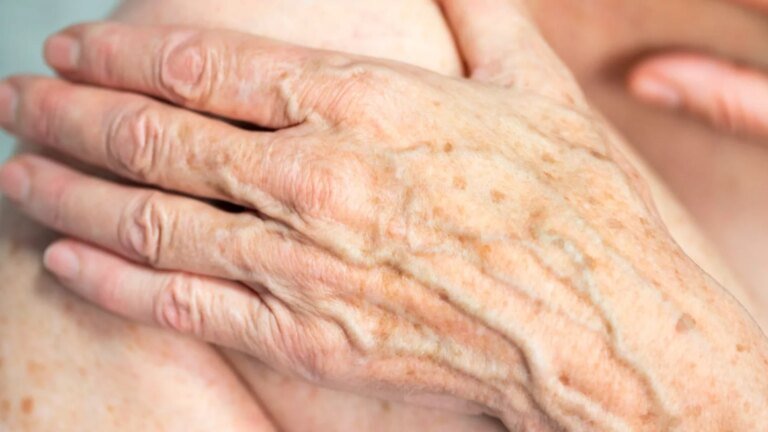
These flat, brown spots develop from prolonged sun exposure and are more common in older adults.
Freckles
Often harmless, freckles appear as small spots influenced by genetics and sun exposure, particularly in lighter-skinned individuals.
Symptoms and Risks of Hyperpigmentation
Hyperpigmentation can lead to emotional distress and self-consciousness, and in some cases, it may signal an underlying health issue. Here are some signs to watch for:
- Persistent dark patches that don’t fade
- An uneven skin tone
- Changes in skin texture, such as roughness
- Irritation or redness
While hyperpigmentation isn’t typically harmful, darker skin tones may encounter additional challenges in finding effective treatments. In rare cases, it can signal issues like hormonal imbalances, so consult with a healthcare professional if you notice unusual changes.
How Can You Treat Hyperpigmentation At Home?
If you’re looking for at-home treatments to manage hyperpigmentation, several options are effective, though it’s vital to consult a skincare expert before diving in. Here are some key ingredients that can help:
Skincare Ingredients Proven to Fade Dark Spots
- Vitamin C: A powerhouse antioxidant that helps lighten pigmentation and offers protection against free radicals.
- Niacinamide: Renowned for its ability to reduce discoloration, improve skin tone, and bolster the skin barrier.
- Azelaic Acid: A multitasking ingredient that brightens your skin and calms irritation.
- Alpha Arbutin: This gentle but effective brightener inhibits melanin production.

Techniques Like Gentle Exfoliation
Using mild acids such as lactic acid or mandelic acid can help encourage cell turnover, aiding in the fading of pigmentation over time.
Over-the-Counter Brightening Serums
Explore products that blend multiple active ingredients to enhance results, always prioritizing those with stabilizing agents to minimize irritation.
The Importance of Consistency
Be patient and follow your routine diligently for several weeks while diligently applying sunscreen daily to observe changes.
Skincare Tips for Managing Hyperpigmentation
To help you navigate hyperpigmentation effectively, consider these essential tips:
- Daily Sunscreen Use: If there’s one thing to commit to, it’s sunscreen! Ensure you use SPF 30 or higher to protect your skin.
- Focus on Skin Barrier Health: Hydrating products containing ceramides and squalane support your skin’s natural defense.
- Avoid Harsh Products: Steer clear of abrasive scrubs or over-exfoliating, which can worsen skin sensitivity.
- Balanced Diet: Consuming a diet rich in antioxidants nurtures skin health from the inside out.
Professional Treatments for Hyperpigmentation
For those seeking stronger solutions, professional treatments provide excellent alternatives. Consider these options:
Chemical Peels
A trusted favorite, chemical peels eliminate dead skin to reveal fresher, more even skin.
Laser Treatments
These treatments specifically target pigmentation, breaking it down for a clearer complexion. Be sure to consult an experienced provider.
Microneedling
This technique boosts collagen production, promoting cell regeneration that gradually diminishes discoloration.
Prescription Skincare
Products like hydroquinone or retinoids may be recommended for particularly stubborn pigmentation.
How to Prevent Hyperpigmentation
Here are some crucial tips to help keep hyperpigmentation at bay:
- Sunscreen is Key: Protect melanocyte cells with daily sunscreen.
- Wear Protective Clothing: Stylish hats, sunglasses, and long sleeves shield your skin from harmful UV rays.
- Avoid Picking at Skin: Resist the urge to pop pimples or scratch scabs to minimize the risk of dark spots.
- Stick to a Routine: Incorporate antioxidants and gentle actives into your skincare regimen.
When to Seek Professional Advice
If you’re grappling with persistent hyperpigmentation, consult a dermatologist. They can provide tailored suggestions based on your unique skin needs, especially if:
- At-home remedies aren’t working
- You’re concerned about underlying health issues
- You require a personalized skincare plan
Additional Information to Remember
The appearance of hyperpigmentation varies across skin tones; understanding your skin type is crucial for optimal care.
Myths About Hyperpigmentation
Despite popular belief, relying solely on natural remedies often delivers slower results compared to professional treatments. In fact, without proper knowledge, home remedies can sometimes irritate the skin more.
Elevate Your Skincare Journey with Expert Solutions
Hyperpigmentation doesn’t have to be a lifelong battle. With a combination of effective skincare and the right treatments, it is certainly manageable. Whether targeting PIH or sun damage, I’m here to guide you through creating a customized plan for healthy, radiant skin.
Are you ready to transform your skincare routine? Book your consultation with me, and let’s start your journey toward beautiful, even-toned skin today! Book Your Skincare Consultation