Teens React to Possible TikTok Ban: ‘It Would Break My Heart’
Will TikTok be banned yet again, or is it on the brink of being saved? As the speculation swirls, many of us find ourselves pondering the implications of this ever-revolving drama. Just recently, President Trump extended yet another deadline—his fourth, to be precise—leaving us all on the edge of our seats.
Interestingly, it appears there may be hope for TikTok after all. In a recent post on Truth Social, Trump boasted about a “very good” trade meeting between the U.S. and China. Meanwhile, The Wall Street Journal reported that if a deal is struck, major investors like Oracle and Andreessen Horowitz could end up owning an impressive 80% share of the platform. Signs are pointing toward a resolution, perhaps by the end of the week.
The Youth Perspective on TikTok’s Future
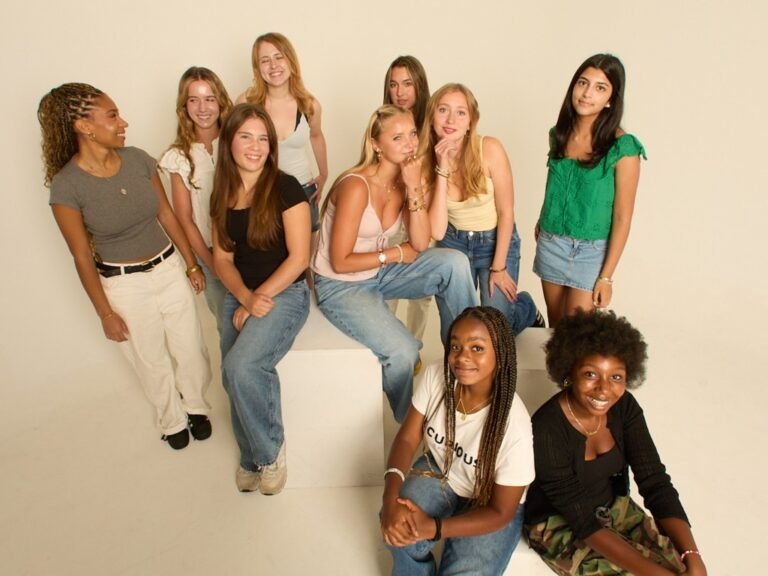
So, what does all this mean for TikTok’s youthful and vibrant user base? According to the latest findings from the Pew Research Center, nearly 60% of teens engage with the app daily, and about 16% confess to being on it "almost constantly." To get a more nuanced understanding, we reached out to members of SheKnows’ Teen Council. Here’s what they had to share about life without TikTok.
Meera, 16
“I would be genuinely upset if TikTok were to be banned. I’ve used the app since sixth grade, and it’s become my favorite platform. As a micro-influencer with over 20K followers, I’ve cultivated a community that I wouldn’t want to lose. More importantly, banning TikTok feels trivial compared to other pressing societal issues. It’s a hub for creativity and self-expression, and removing it seems so disconnected from what matters.
The ongoing discussions surrounding its potential ban are tiring. TikTok isn’t just about entertainment for me; it’s where I stay informed and connect with global trends and communities.”
Theo, 15
“I wouldn’t mind if TikTok got banned for my mental health. I recognize I spend too much time scrolling when I could be reading or being present. While losing TikTok would be disappointing, there are other platforms like Instagram that fill the void.
It’s more than just entertainment; many people, including my friends, rely on TikTok for their livelihoods. It’s not simply aimless scrolling; it’s a vibrant space for creativity and fun.”
Clive, 15
“Honestly, the TikTok ban has been a significant topic of discussion for a while, but I feel there are better issues to focus on. Other platforms mimic what TikTok offers, and many creators have already migrated. For me, Instagram Reels has become just as engaging, if not more so.
While I understand the concerns regarding data privacy and security, I’ve noticed that the focus on TikTok feels disproportionate. A ban wouldn’t completely alter my social media habits—I’d just lean more toward Instagram instead.”
Greta, 17
“I see the potential benefits of a ban because I know I spend more time on TikTok than I should. However, it also serves as a vital platform for self-expression and connection. During a brief scare of a ban, my friends and I felt an acute loss, yet we also recognized it could boost our productivity.
Initially, we were sad, but once the app returned, relief swept over us. This experience has prompted me to weigh the pros and cons of TikTok much more critically.”
Ajani, 18
“I don’t actively use TikTok as much anymore, so if it were to be banned again, it wouldn’t significantly impact me. I’ve transitioned more toward Instagram. While TikTok does have its place in my social media landscape, it’s not as crucial as it once was. Honestly, a ban might even help me minimize my screen time.”
Connor, 16
“A TikTok ban might actually be beneficial for many of my friends who are glued to their screens. I know I can be a culprit as well, despite limiting my Instagram use. The reality is, teens often miss out on important activities like school and sports while binge-scrolling.
While a ban would be an inconvenience, I don’t see it dramatically changing anything. Kids would just migrate to other platforms and likely spend the same amount of time there. The discussion around foreign ownership does raise questions, but until proven otherwise, less screen time could only be a good thing.”
In Conclusion
The ongoing saga of TikTok leaves many wondering: will it persist as a treasured platform, or will it fade into the background of our digital landscape? Whatever the outcome, one thing is for certain: this spirited dialogue around social media highlights the profound connections and creative outlets that platforms like TikTok provide.
So, whether you’re scrolling happily through your feed or finding new ways to engage with others, let’s embrace the beauty of connection—no matter where it happens. What are your thoughts on this entire TikTok situation? Share your insights and let’s keep the conversation going!