Overcoming Nighttime Anxiety: Effective Strategies to Calm Your Racing Mind
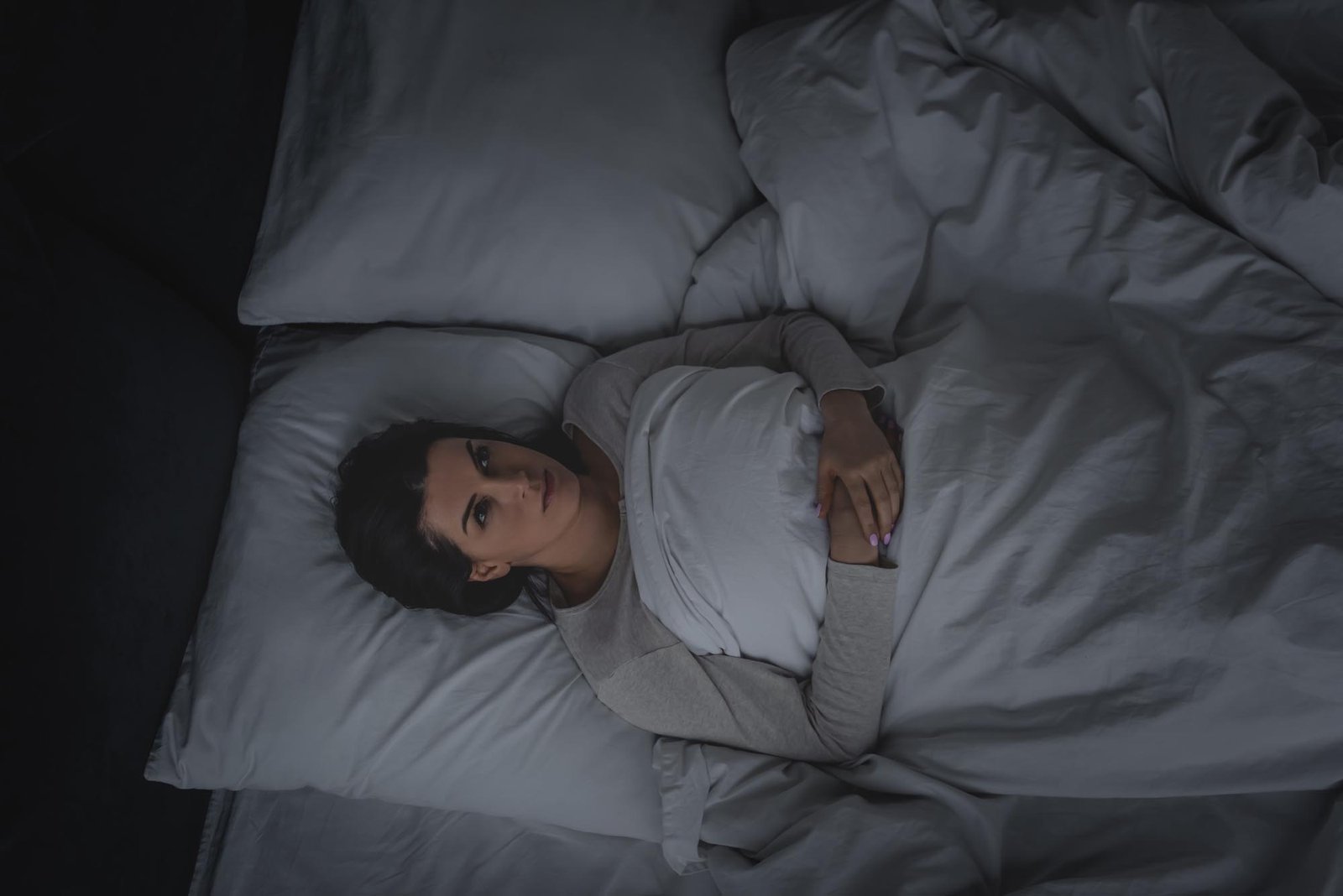
It’s 2 AM. You’re tucked under your favorite blanket, yet sleep eludes you as your mind spins. Worries about the day ahead, memories you wish you could forget, and uncertainties about the future parade through your thoughts. If this sounds familiar, you may be grappling with nighttime anxiety, a common but often isolating experience. Remember, you’re not alone in this silent struggle.
As the world quiets down, it can feel like your thoughts grow louder. Instead of winding down, many find their minds racing, turning peaceful nights into internal battles. Think of your brain as a computer that fails to shut down, leaving numerous tabs open and programs running, affecting not just your sleep but also your overall health and inner peace. Understanding what fuels this restless state can be the first step to reclaiming your tranquility.
Understanding Nighttime Anxiety: Causes and Biological Factors
Have you ever found yourself wondering why your mind flips into overdrive when all you crave is relaxation? You’re definitely not alone. Our brains have a unique, almost instinctual way of processing unresolved concerns during the stillness of night. It’s as if your mind has an automatic “cleaning crew,” sorting through emotions and events of the day while preparing for tomorrow.
The Role of Your Biology
During your peak years, particularly in your 20s and 30s, your brain may be more actively engaged. This heightened activity can make it easier for thoughts to swirl at night. While it’s a normal phase in life, it can feel overwhelming when all you seek is some peace.
What Makes It Worse?
If you’re wondering why the anxiety escalates, several factors contribute:
- Stress Response: The hormones that manage stress may still surge even late into the night.
- Information Overload: Continuous exposure to social media and news can overwhelm your processing capabilities.
- Anxiety Patterns: Existing anxiety can amplify night-time concerns and worries.
The Impact of Artificial Light
Our reliance on screens adds another layer of complexity. The blue light from devices tricks your brain into believing it’s daytime, disrupting melatonin production—the hormone essential for regulating your sleep cycle. This disruption can worsen both anxiety and sleep quality.
Embracing Your Brain’s Natural Process
While it might seem daunting, this increased mental activity isn’t inherently negative. It’s your brain’s semi-automatic way of sorting through information and emotions. Instead of resisting it, learning to embrace this process can empower you to navigate your thoughts effectively.
The Mental Health Connection: Anxiety, Depression, and Intrusive Thoughts
Those racing thoughts at night often correlate with underlying mental health issues. Conditions like Generalized Anxiety Disorder (GAD) and depression can morph your sanctuary into a theater for unwelcome thoughts. Nighttime anxiety can amplify existing struggles, placing you in a cycle where anxiety disrupts sleep, and poor sleep heightens anxiety.
If you ever find yourself lying awake, racing through thoughts like:
- “Will I mess up tomorrow’s meeting?”
- “Did I say something inappropriate earlier today?”
- “Why can’t I just fall asleep like everyone else?”
These reflections can create a tangled web of anxiety that feels inescapable. If you or someone close to you is facing these challenges, seeking professional help can provide the support needed to navigate this journey.
Effects of Nighttime Anxiety on Sleep and Overall Health
The relentless battle of racing thoughts can lead to significant sleep disruption:
- Delayed Sleep Onset: Lying awake while the minutes tick by can feel daunting.
- Frequent Night Wakings: Anxiety-laden dreams can shatter a restful night.
- Reduced Sleep Quality: Instead of rejuvenating sleep, you may experience restlessness.
The repercussions of sleep deprivation can extend into daily functioning:
-
Physical Effects:
- Weakened immune response
- Inflammation increases
- Hormonal imbalances
- Digestive discomforts
- Mental and Emotional Impact:
- Difficulty focusing
- Increased emotional sensitivity
- Impaired memory
- Decreased resilience to stress
Your body craves quality sleep to recharge and heal, and when anxiety interferes, the consequences reverberate throughout your life.
Common Triggers That Keep Your Brain Racing at Night
Have you noticed that your mind tends to race precisely when you’re trying to unwind? Here are some prevalent triggers that can ignite a mental marathon in the evenings:
1. Stimulants and Diet
- Late-day caffeine consumption (think coffee, tea, or even chocolate)
- Heavy meals right before bed
- Sugary, processed foods
2. Psychological Triggers
- Anxiety about not falling asleep
- Worry over tomorrow’s obligations
- Anticipation of significant events
- Work-related stress that spills over into bedtime
Even your nightly habits, such as checking emails or engaging in stimulating conversations, can ramp up your mental activity right when it should be winding down.
Practical Strategies to Calm Nighttime Anxiety and Quiet Your Mind
Let’s explore soothing techniques that can help quiet your mind and foster peaceful evenings.
Create Your Bedtime Ritual
Developing a nightly routine acts like a lullaby for your brain:
- Take a warm bath infused with lavender essential oils
- Write in a gratitude journal
- Try gentle stretches or light yoga
- Indulge in a calming read
- Listen to soft music or nature sounds
Master the 4-7-8 Breathing Technique
Use this ancient breathing method to soothe your nervous system:
- Inhale quietly through your nose for four counts.
- Hold your breath for seven counts.
- Exhale fully through your mouth for eight counts.
- Repeat this cycle four times.
Progressive Muscle Relaxation
This technique releases physical tension effectively:
- Start with your toes, tensing each muscle group for five seconds.
- Release the tension while focusing on how it feels.
- Gradually navigate upward through your body, paying attention to the sensations.
Incorporate these methods into your nightly routine to train your mind and body to recognize cues for sleep.
Creating an Optimal Sleep Environment for Nighttime Anxiety Relief
Your bedroom should be a sanctuary where your mind can find solace—a personal sleep oasis. Here’s how to create an inviting space:
Set the Right Temperature
Keep your room cool, ideally between 60-67°F (15-19°C), to promote better sleep.
Block Out Disruptive Light
Invest in blackout curtains or wear an eye mask to eliminate any light disturbances.
Invest in Comfortable Bedding
Choose bedding that’s breathable and cozy to create a comforting retreat.
The Blue Light Battle
To combat the effects of blue light:
- Switch to warm, dim lighting a few hours before bedtime.
- Activate “night mode” on necessary devices.
- Keep electronics out of arm’s reach from your bed.
Create Your Calm Zone
- Remove visible clocks that might trigger anxiety.
- Use white noise machines or nature sounds to mask disruptive noises.
- Maintain a tidy environment to help cultivate a peaceful mindset.
Natural Remedies and Lifestyle Adjustments for Nighttime Anxiety Relief
Mother Nature offers gentle solutions to quell restless minds. Consider enjoying:
- Chamomile tea, celebrated for promoting relaxation
- Lavender tea or essential oils
- Passionflower extract
- Valerian root
- Lemon balm
Always consult with your healthcare provider before trying new supplements to avoid potential interactions.
Your daily habits matter too. Reducing caffeine intake by 2 PM can prevent its stimulating effects from disturbing your sleep. Consider calming alternatives like:
- Decaf green tea
- Golden milk with turmeric
- Warm lemon-infused water
- Herbal infusions without caffeine
Pair these natural methods with mindful practices such as gentle evening yoga, meditation, or a warm bath to ease your transition into night.
When to Seek Professional Support for Nighttime Anxiety
Though natural remedies and lifestyle tweaks can be helpful, sometimes the anxiety persists. Here are signs it’s time to seek professional help:
- Racing thoughts routinely keep you awake
- Anxiety significantly disrupts your day-to-day life
- Frequent panic attacks at bedtime
- Self-help strategies start to lose their efficacy
Women often navigate unique challenges regarding anxiety, and specialized treatment can make a meaningful difference. Consider reaching out to a women-focused mental health treatment center that can provide personalized care, connection, and relevant strategies tailored to your journey.
Conclusion
Living with nighttime anxiety doesn’t mean resigning yourself to sleepless nights. You have the power to reclaim those hours:
- Create a calming bedtime ritual
- Practice deep breathing techniques
- Keep your bedroom cool and dark
- Write down your concerns
- Listen to soothing sounds
Most importantly, remember that you’re not alone in your fight. Many experience similar challenges, and reaching out for help is a courageous step forward.
If you find yourself repeatedly pondering, “Why can’t I turn my brain off?” we’re here to assist you. At Malibu Elixir, our dedicated team understands the unique journey women face with nighttime anxiety. We offer personalized treatment options that honor your experiences and guide you toward serene nights.
Take the first step towards restorative sleep—connect with us at Malibu Elixir today. Your transformational journey begins here.