Understanding Frequent Urination: Key Causes and Solutions
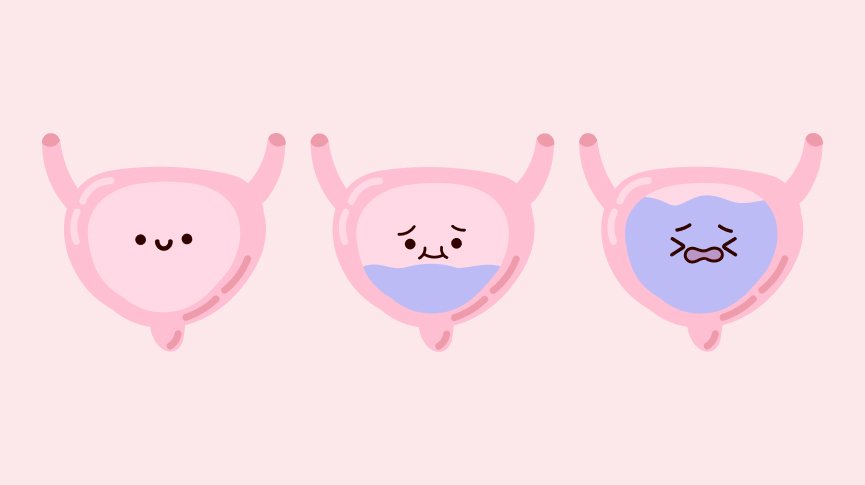
It’s a little-known fact, but many women find themselves running to the bathroom more often than men. This phenomenon can be attributed to a variety of factors, from our unique anatomy to hormonal changes. While it’s perfectly normal for many women to urinate frequently, understanding the underlying causes is vital, especially if it disrupts your daily routine.
Exploring the reasons behind frequent urination not only enhances our awareness of our bodies but also helps inform us when a visit to the doctor might be necessary. So, let’s delve into the various reasons why you might be finding yourself seeking out the restroom more often than usual.
Reasons You May Be Urinating Frequently
From lifestyle habits to medical conditions, there’s a spectrum of reasons behind increased urination. If you notice other troubling symptoms or if it’s disrupting your everyday life, don’t hesitate to consult your healthcare provider to uncover the root of the issue.
1. Overhydration
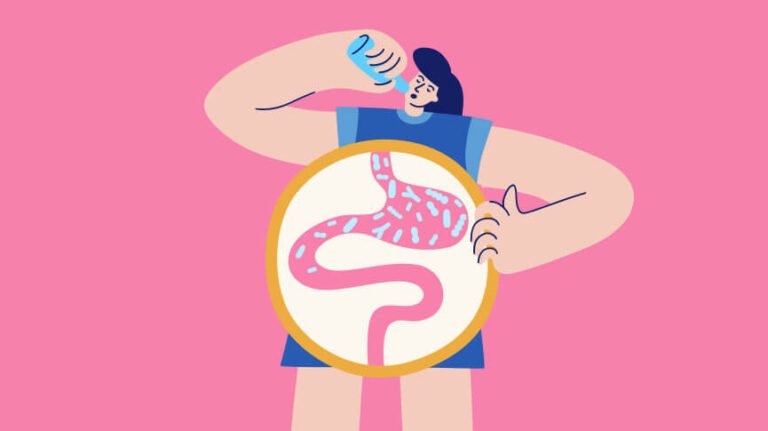
Hydration is crucial for health, but drinking excessive amounts of water can lead you to visit the bathroom more frequently. If you’re pouring in the fluids—especially before bedtime—be mindful that your body may need to release the extra hydration.
- It’s important to adjust your intake based on your activity level and climate.
- Reducing fluid consumption before sleep can improve your nighttime comfort.
2. Pregnancy
For many women, frequent urination is one of pregnancy’s common tribulations. As your baby grows, your expanding uterus places pressure on the bladder, resulting in more frequent trips to the restroom. Don’t worry; this is perfectly normal and typically eases after childbirth.
3. Diuretic Substances
Both caffeine and alcohol are well-known diuretics, promoting increased urine production. These substances inhibit vasopressin, the hormone responsible for managing water retention in your body.
- Enjoying alcohol or coffee? Consider sipping water alongside these beverages for better hydration balance.
4. Urinary Tract Infection (UTI)
Up to 40% of women may experience a urinary tract infection in their lifetime. UTIs can cause severe discomfort along with frequent urination, resulting in a burning sensation and other symptoms.
Be attentive to:
- Discolored urine
- Fever or chills
- The urgent need to urinate
5. Diabetes (Type I and II)
Elevated blood sugar associated with diabetes can lead to frequent urination as your kidneys strive to filter out the excess. If you notice this alongside increased thirst, consult your doctor promptly.
6. Diabetes Insipidus
Distinct from diabetes mellitus, this condition affects your body’s ability to utilize vasopressin. Symptoms include extreme thirst and fatigue, and it can be effectively managed with medication.
7. Kidney Stones
These small, painful deposits can create a persistent urge to urinate, often accompanied by severe pain. If you suspect kidney stones, seek medical advice for proper guidance.
8. Vaginitis
This inflammatory condition can make you feel like you need to urinate more frequently due to irritation. Watch for symptoms like itching and unusual discharge.
9. Some Medications
Certain medications, like those for ADHD, can also lead to increased urination as a side effect. Always discuss with your doctor if this becomes a concern.
10. Menopause
As estrogen levels fluctuate during menopause, women may find they need to urinate more often. Dietary changes and hormone replacement therapy can provide relief.
11. Constipation
Surprisingly, constipation can lead to the sensation of needing to urinate more often as it puts pressure on your bladder. Strengthening pelvic floor muscles can help manage this issue.
12. Tumors and Painful Bladder Syndrome
Rarely, tumors near the bladder can cause discomfort and frequent urination. Consult your doctor if you notice any alarming symptoms such as blood in your urine or persistent pain. Painful Bladder Syndrome, or interstitial cystitis, leads to a constant urge to urinate without much output, often treated through lifestyle changes and medication.
Understanding these various factors can empower you in managing your health and comfort. If frequent trips to the bathroom are interfering with your life, don’t hesitate to reach out to your healthcare provider.
Embrace your body’s signals, and remember: You’re not alone in this. Let’s prioritize our health together with the same care and passion we give to every other aspect of our lives. If you found this information helpful, consider sharing your thoughts or experiences. Let’s continue supporting each other on this beautiful journey of wellness!