Unlock Radiant Skin: A Comprehensive Guide to the Various Types of Chemical Peels
This blog post is your ultimate guide to chemical peels, exploring everything from their transformative benefits to selecting the right one for your unique skin needs. If you’re looking for ways to rejuvenate your skin and bring forth a radiant complexion, you’ve landed in the right spot. Let’s dive into the fascinating world of chemical peels and discover how they can elevate your skincare routine.
What is a Chemical Peel?
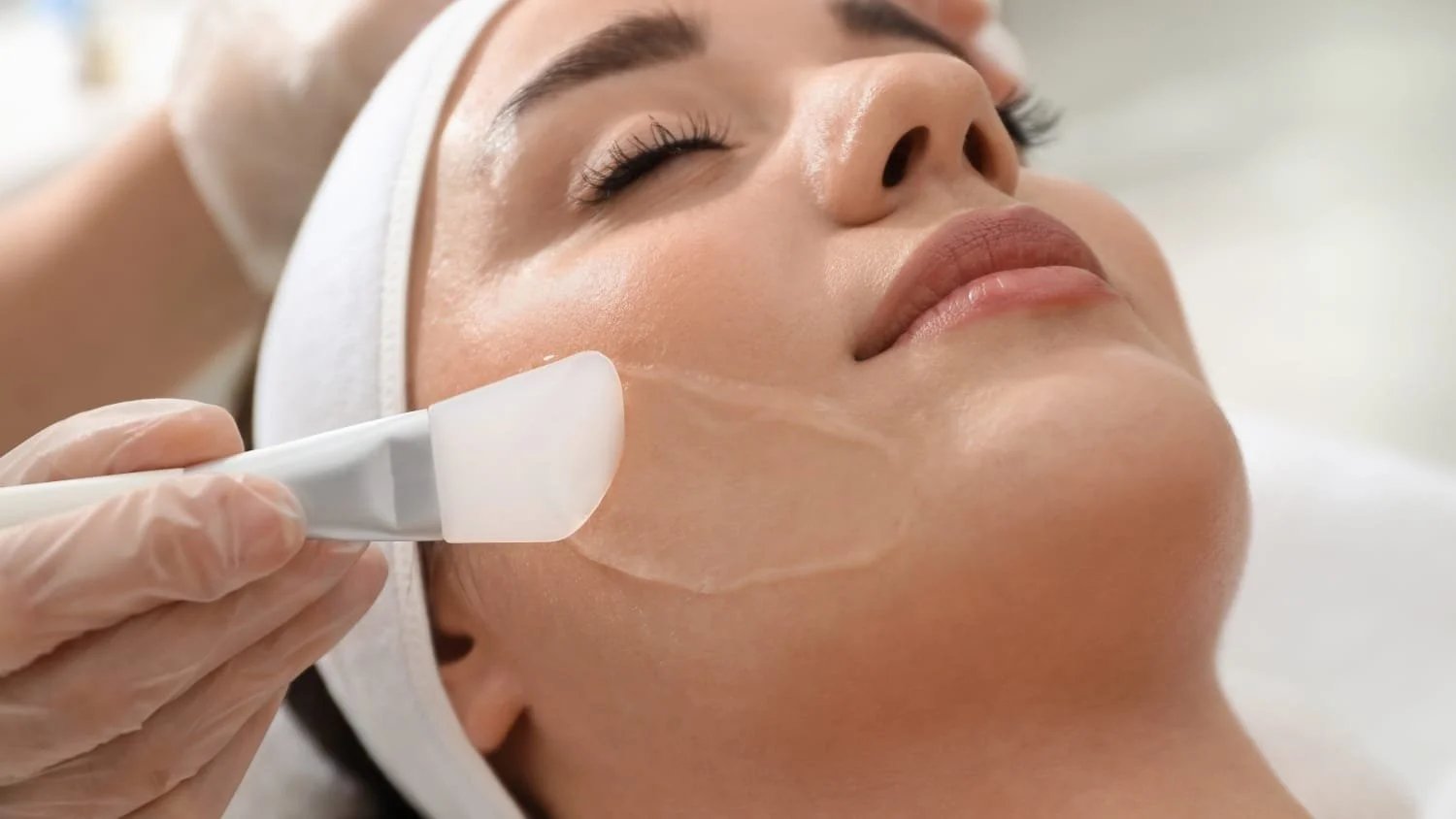
A chemical peel is a sophisticated skincare treatment that utilizes a specific solution to exfoliate and remove the outer layers of the skin. This technique aims to refresh your skin, unveiling a smoother, more youthful appearance beneath. By encouraging the growth of new skin cells, chemical peels can effectively enhance your skin’s texture, tone, and overall vitality.
Think of a chemical peel as a fresh start for your skin, addressing concerns such as fine lines, wrinkles, acne, and hyperpigmentation. If a glowing complexion is what you seek, a chemical peel may be just the solution you need.
How Do Chemical Peels Work on the Skin?
Chemical peels stimulate the skin’s natural renewal process. Upon application, the solution interacts with the skin’s surface, causing controlled damage that prompts the outer layer to shed. This process encourages new cell growth, leaving your skin feeling revitalized and radiant.
Integrating chemical peels into your skincare regimen can yield incredible benefits:
- Improved skin elasticity
- Diminished signs of aging
- Evened-out skin tone
Whether you’re dealing with acne scars or sun damage, these peels can provide a focused approach to achieving your desired skin goals.
Types of Chemical Peels
Choosing the right type of peel can feel overwhelming with so many options available. Let’s explore the distinct categories to help you identify the perfect match for your skin’s needs.
Superficial Peels
Also known as light peels, superficial peels are the gentlest option. They target only the upper layer of skin, making them ideal for first-timers or those with sensitive skin. Typically, these peels use mild acids like glycolic acid and lactic acid, providing gentle exfoliation.
The benefits include:
- Enhanced skin texture
- A fresh, youthful glow
- Minimal downtime
If you’re looking for subtle improvements with little recovery time, a superficial peel might be your best bet.
Types of Superficial Peels:
- Glycolic Acid: Best for sun damage and mild acne.
- Salicylic Acid: Ideal for oily skin, helping reduce large pores and blackheads.
Medium Peels
Medium peels delve deeper, addressing moderate wrinkles, uneven skin tone, and acne scars. Ingredients like trichloroacetic acid (TCA) and Jessner’s solution are commonly used, offering more significant results than superficial peels.
These peels may involve some downtime but deliver noticeable improvements, making them perfect for individuals seeking comprehensive treatment.
Types of Medium Peels:
- TCA Peels: Excellent for deep wrinkles and hyperpigmentation.
- Jessner’s Solution: Combines multiple acids to tackle acne and fine lines.
Deep Peels
Deep peels are the most intensive option, targeting severe skin discoloration and deep-set wrinkles. Utilizing powerful acids like phenol, these peels offer dramatic results but often require an extended recovery period.
If you’re ready for a major skin transformation, deep peels can bring substantial improvements. Consulting with a skincare professional is advisable to assess your suitability for this type of treatment.
Type of Deep Peel:
- Phenol Peels: Address severe wrinkles, deep scars, and significant sun damage.
Specialized Peels
Specialized peels are tailored to tackle specific skin concerns, like acne or pigmentation. Incorporating targeted ingredients, these peels allow for a customized approach to achieving optimal results.
Types of Specialized Peels:
- Retinol Peels: Focus on reducing signs of aging and acne.
- Vitamin C Peels: Perfect for brightening dull skin.

Benefits of Chemical Peels
Now, let’s delve into why these treatments are gaining popularity in skincare routines.
Revitalizing Skin Texture and Tone
Chemical peels work wonders at smoothing out uneven textures and enhancing overall skin tone. By promoting cell turnover, your skin will look refreshed and revitalized.
Reducing Fine Lines and Wrinkles
Bid farewell to bothersome fine lines! Chemical peels stimulate collagen production, reducing signs of aging and restoring a youthful plumpness to your skin.
Addressing Hyperpigmentation and Sun Damage
Is your skin showing signs of sun exposure? Chemical peels can aid in fading dark spots and evening out your complexion, helping restore your skin’s natural radiance.
Managing Acne and Minimizing Pore Appearance
Battling acne? Chemical peels can unclog pores and reduce excess oil, leading to clearer skin and minimized pore visibility.
How to Choose the Right Chemical Peel for Your Skin
Finding the perfect peel requires understanding your skin type and specific concerns. Here’s a simple guide to make your selection easier.
1. Assess Your Skin Type and Concerns
Begin by evaluating your skin—whether it’s oily, dry, sensitive, or a combination—and pinpointing your main concerns. This knowledge will guide you toward a peel that aligns with your needs.
2. Consult a Skincare Professional
Before committing, it’s wise to seek advice from a qualified skincare expert. An esthetician will evaluate your skin type and recommend the most suitable peel, ensuring both safety and efficacy.
3. Understand Downtime and Recovery Expectations
Each peel presents different recovery times. Keep your schedule in mind and be prepared for any required aftercare.
Essential Aftercare Tips for Chemical Peels
Post-peel care is crucial to ensuring optimal results and avoiding side effects. Here are key tips to remember:
- Avoid Sun Exposure: Keep your skin protected from the sun, using SPF whenever you’re outdoors.
- Stay Hydrated: Drink plenty of water to support healing and reduce inflammation.
- Be Gentle with Your Skin: Avoid harsh products for at least a week after the peel, sticking to gentle cleansers and moisturizers.
- Follow Post-Peel Instructions: Adhere to your esthetician’s aftercare guidelines for the best outcomes.
Conclusion
Incorporating chemical peels into your skincare routine can yield stunning results. By understanding your options and selecting the right peel for your needs, you can achieve the luminous skin you’ve always desired.
If you’re eager to experience the transformative benefits of chemical peels firsthand, I invite you to schedule a chemical peel treatment in Naples, FL. Together, we’ll craft a personalized skincare plan that enhances your natural beauty and addresses your unique concerns.
Your skin deserves nothing but the best, and chemical peels can be an invaluable tool in your skincare arsenal. Thank you for exploring the world of chemical peels with me, and I look forward to helping you achieve your skin goals! Happy peeling! 😊
Frequently Asked Questions
What is the most effective chemical peel?
The most effective peel varies based on your skin type and concerns. Consult a professional to determine the best option for you.
Are chemical peels safe?
Generally, yes—when performed by a skilled professional. Always follow aftercare instructions for optimal results.
How often should I get a chemical peel?
This depends on the type of peel and your skin’s response. Typically, a 4-6 week interval between treatments is recommended.
What is a level 3 chemical peel?
A level 3 peel penetrates the middle skin layer and addresses concerns like deep wrinkles and severe acne scars.
What is the difference between TCA and PCA peels?
TCA is a medium-depth peel for deeper issues, while PCA offers a lighter exfoliation for surface concerns. Consulting a professional ensures the best choice for your needs.
Note: The information provided in this blog does not constitute medical advice. Always consult a skincare professional before trying any new treatment.