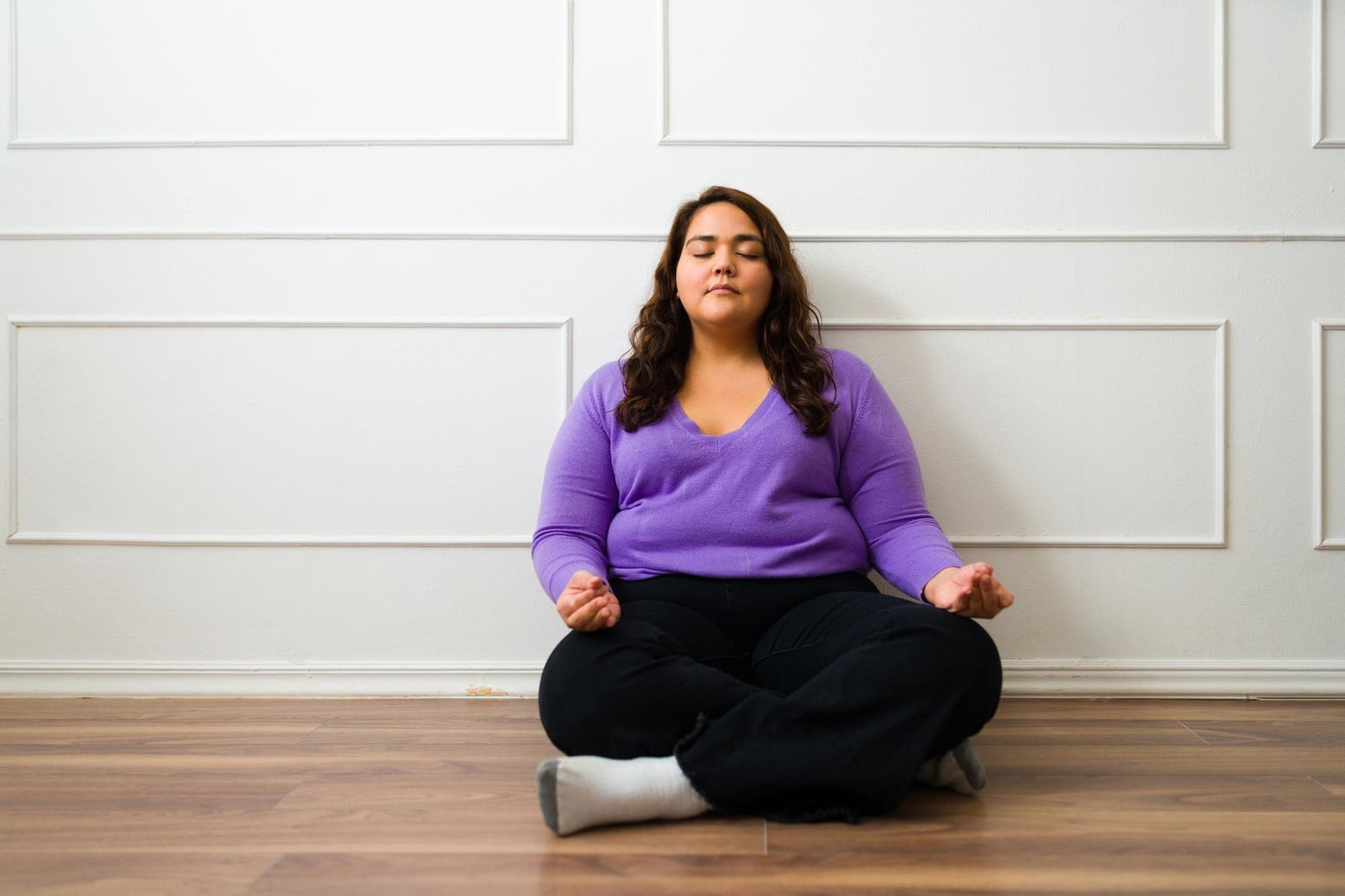
10 Transformative Breathwork Techniques to Instantly Enhance Calm and Focus
The Power of Breathwork for Mental Well-being
Imagine having a tool at your fingertips that can instantly transform your mental state—completely free and always accessible. This is the incredible potential of breathwork. Emerging as a cornerstone of mental wellness, breathwork is garnering attention from health professionals and wellness enthusiasts alike. Its ability to shift moods and alleviate stress is remarkable, making it a must-try for anyone seeking to enhance their emotional resilience.
The beauty of breathwork techniques lies in their simplicity and swift impact on your nervous system. When life’s anxieties spiral and overwhelm, conscious breathing serves as an anchor, gently guiding you back to the present. Research shows that controlled breathing exercises can:
- Lower cortisol levels
- Reduce blood pressure
- Enhance focus and concentration
- Alleviate symptoms of anxiety and depression
- Improve emotional regulation
Unraveling the science behind these benefits is both fascinating and empowering. Engaging in slow and intentional breathing activates your parasympathetic nervous system—a natural relaxation response. This activation heralds a cascade of calming effects, including:
- Slowed heart rate
- Relaxed muscles
- Improved digestion
- Enhanced mental clarity
- Diminished stress response
Think of your breath as a remote control for your nervous system. By adjusting its rhythm and depth, you can transition from stress to calm in just a few minutes. This remarkable capability positions breathwork as an invaluable ally in navigating daily challenges while supporting long-term mental health.
For those interested in a deeper exploration of breathwork and its integration with techniques from mindfulness-based therapy, please reach out to us for more information.
Understanding How Breath Affects Our Mind and Body
Your breath isn’t just a physical function; it’s a powerful gateway to your nervous system. It acts as a control switch between your body’s stress and relaxation responses. Breathwork encompasses various techniques that enable you to consciously influence your physical and mental states.
The Two Branches of the Autonomic Nervous System
The autonomic nervous system operates through two fundamental branches:
- Sympathetic Nervous System (SNS) – Your “fight or flight” response
- Parasympathetic Nervous System (PNS) – Your “rest and digest” mode
Sympathetic Nervous System (SNS) – Your “fight or flight” response
When you perceive a threat, the SNS prepares your body for action, creating instinctual changes such as:
- Increased heart rate
- Elevated blood pressure
- Release of stress hormones
- Shallow, rapid breathing
Parasympathetic Nervous System (PNS) – Your “rest and digest” mode
Once the threat has passed, the PNS comes into play, restoring balance and promoting recovery. This branch is responsible for soothing your body after stress, prompting changes like:
- Slowing the heart rate
- Lowering blood pressure
- Encouraging relaxation
- Deepening your breath
The Power of Diaphragmatic Breathing
Practicing diaphragmatic breathing activates your vagus nerve—your PNS’s primary communication pathway. This activation generates a ripple of positive changes throughout your body:
- Reduced muscle tension
- Decreased cortisol levels
- Improved immune function
- Enhanced mental clarity
- Better emotional control
The Connection Between Breathwork and Emotion
Your breath holds reflections of your emotional state. Quick, shallow breaths communicate anxiety to your brain, while slow, deep breaths signal safety and calm. By consciously altering your breathing pattern, you can transition from a state of stress to one of relaxation in mere moments.
10 Powerful Breathwork Exercises for Instant Calm and Focus
1. Deep Belly Breathing (Diaphragmatic Breathing)
This fundamental technique initiates your body’s natural relaxation response, enhancing overall well-being.
How to Practice Deep Belly Breathing:
- Find a comfortable position, either lying on your back or sitting.
- Place one hand on your chest and the other on your belly.
- Breathe in slowly through your nose and feel your belly expand while your chest remains still.
- Exhale gently through pursed lips and allow your belly to lower.
- Aim for a steady rhythm, with 6-10 breaths per minute.
Recommended Practice:
- Start with 5 minutes twice daily and gradually increase to 10-15 minutes.
- Use this technique before stressful events.
Tips for Success:
- Keep your shoulders relaxed.
- Visualize filling your belly like a balloon.
- Focus on the sensations of rising and falling.
- Begin in a quiet space.
Deep belly breathing is a go-to method for many, helping to reduce anxiety and maintain focus even in tumultuous moments.
2. Box Breathing (Square Breathing)
This technique, favored by Navy SEALs, creates a calming rhythm.
How to Practice Box Breathing:
- Sit comfortably.
- Inhale through your nose for 4 counts.
- Hold for 4 counts.
- Exhale through your mouth for 4 counts.
- Hold again for 4 counts.
Pro Tip: Visualize tracing a square as you breathe.
3. The 4-7-8 Breathing Technique
Designed as a natural calming tool by Dr. Andrew Weil, this technique helps soothe nerves and promotes restful sleep.
Practice Steps:
- Sit comfortably and place the tip of your tongue behind your upper front teeth.
- Exhale fully, then inhale through your nose for 4 counts.
- Hold for 7 counts.
- Exhale completely for 8 counts.
- Repeat the cycle four times.
4. Alternate Nostril Breathing (Nadi Shodhana Pranayama)
This ancient yogic practice balances the brain’s hemispheres.
How to Practice:
- Sit straight, thumb on your right nostril, ring finger on your left.
- Inhale through your left nostril, hold, then exhale through your right.
- Inhale through the right, hold, and exhale through the left.
5. Resonant or Coherent Breathing
Breathing in harmony with your heart rate enhances relaxation and lowers stress levels.
Practice Steps:
- Inhale through your nose for 5 seconds.
- Exhale for 5 seconds, maintaining the rhythm for 5-10 minutes.
6. Humming Bee Breath (Bhramari Pranayama)
This yogic technique utilizes soothing vibrations to promote calmness.
How to Practice:
- Sit comfortably and place your thumbs in your ears.
- Inhale deeply through your nose.
- Hum on the exhale while keeping your mouth closed.
7. Pursed Lip Breathing
A technique that helps slow your breathing rate.
How to Practice:
- Inhale through your nose for 2 counts.
- Purse your lips and exhale for 4 counts.
8. Lion’s Breath (Simhasana Pranayama)
Relieving tension through vocalization and breath.
How to Practice:
- Sit on your knees, inhale through the nose.
- Open your mouth wide, exhaling forcefully while making a "ha" sound.
9. Sitali Breath
Known for its cooling effects, this breathing technique is particularly useful in warm conditions.
Practice Steps:
- Curl your tongue lengthwise.
- Inhale through the rolled tongue, exhale through your nose.
10. Affirmation Breathing
Merging breath with positive affirmations offers profound mental clarity.
How to Practice:
- Choose a positive affirmation.
- Inhale for 4 counts, hold while stating the affirmation, and then exhale for 6 counts.
Integrating Breathwork into Your Daily Life for Enhanced Mental Health Support
At Malibu Elixir, we believe in the transformative potential of breathwork as clients navigate mental health journeys. These simple techniques can serve as powerful tools for managing everyday challenges.
Ways to incorporate breathwork into your daily life:
- Dedicate a few minutes to deep belly breathing every morning.
- Utilize box breathing before tackling stressful tasks.
- Set periodic reminders to take breathing breaks.
Your breath is an invaluable ally in your wellness journey—always accessible, entirely free, and incredibly effective. The techniques shared here can empower you to cultivate resilience, maintain calm, and enhance focus daily.
Ready to delve deeper into how breathwork can elevate your mental health? Connect with us at Malibu Elixir, where our experienced team is eager to support you in integrating these powerful practices into your personalized wellness plan. Your journey to optimal well-being begins with a single, conscious breath.